
Located about eight miles north of the heart of downtown, Chicago’s Andersonville neighborhood thrives off of its many small businesses, thrift stores and cafes. Andersonville is a vibrant community known for its traditionally Swedish culture, rich LGBTQ+ history and variety of special events. Whether you go in June for Midsommarfest (an Andersonville Pride month specialty), or in the cold of winter for warm pieces of French toast for dinner, there is always something to do in Andersonville. And if you don’t like to walk far for good stores and yummy food, don’t worry — you can find all you need and more on North Clark Street.
Activity: Swedish American Museum
5211 N. Clark St.
To understand the background of this neighborhood before indulging in its attractions, first stop in Andersonville at the Swedish American Museum. The museum portrays the historical links between Sweden and Andersonville. Through interactive parts of the exhibit and realistic mannequins, the museum immerses visitors in the emigration story from Sweden to the United States, teaching how Andersonville became a hub of Swedish culture. What makes the Swedish American Museum special is that unlike many other museums, it tells a cohesive story. Each part of the exhibit adds onto the previous parts, weaving together a narrative that deepens appreciation to the Swedish pride that Andersonville still holds.
Store: Strange Cargo
5216 N. Clark St.
Directly across the street from the Swedish American Museum lies a peculiar store: Strange Cargo. As the name suggests, the store is full of strange and unique knickknacks, custom T-shirts and everything in between. The store holds a vibe somewhere in between an antique store and the materialization of a stereotypical 1990s movie. Strange Cargo has a unique selection of items that are modern and trending, and items that bring back a wave of nostalgia. Trends from over the decades have found a home at Strange Cargo. Whether you’re looking for vintage trading cards or Carhartt jackets, Strange Cargo probably has it.
Book Store: Women and Children First
5233 N. Clark St.
Just across and up the street from Strange Cargo is Women and Children First, a queer-owned book store. With a rainbow sidewalk leading to its entrance and an honorary street sign on the corner, it’s a hard sight to miss. Besides their many shelves full of general fiction, Women and Children First has several shelves dedicated to queer and feminist literature. Along with books is an array of stickers and tote bags sporting activist messages. The back of the store is filled with children’s books and cozy reading spots. For all things literary and queer — and for the intersection between the two — Women and Children First is the place to be.
Art Market: Andersonville Galleria
5247 N. Clark St
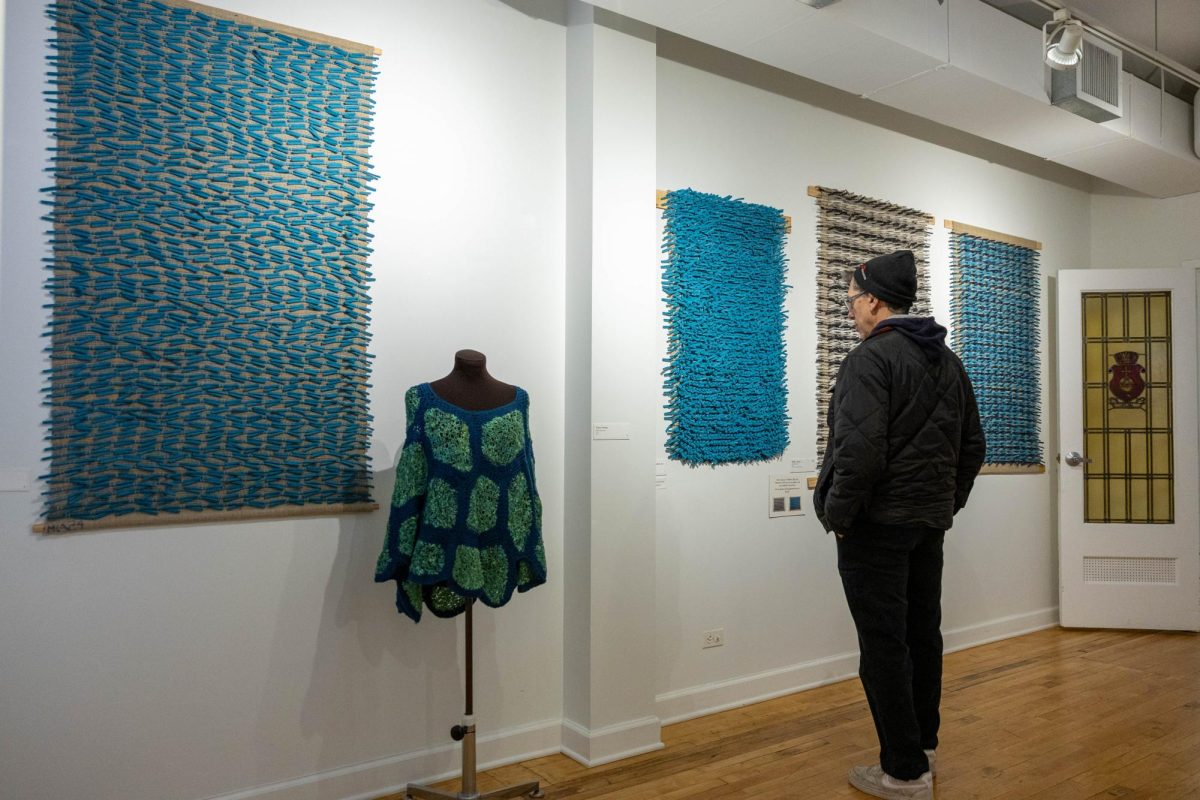
Imagine a museum where all the art is for sale, and you have the Andersonville Galleria. From the outside, the Andersonville Galleria looks small, but as soon as you step inside, you are welcomed into a massive three-floor gallery of pop-up art stalls. The good news is: everything is for sale. Andersonville Galleria is perfect for shopping for idiosyncratic pieces of jewelry or home decor, but is like a museum in the way that it displays art in its winding hallways filled with stalls. The Galleria is filled with unique jewelry, tapestries and many pieces of Chicago-centric art. Andersonville Galleria is home to the work of many local artists, giving them a platform to sell their work and promote their artistry.
Restaurant: A Taste of Heaven
5401 N Clark St.
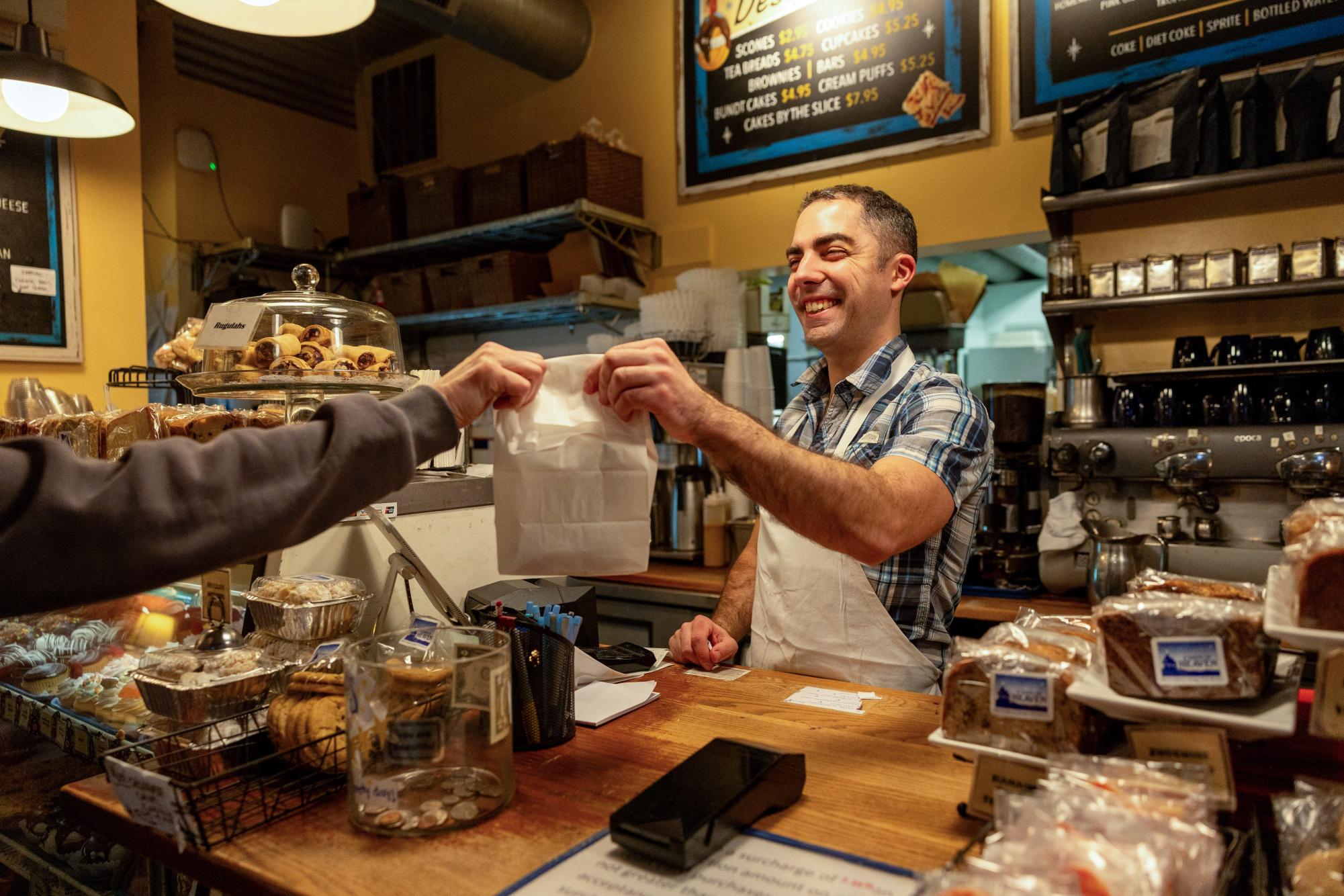
Losing track of time in the Andersonville Galleria is almost inevitable, so for a refuel go north up Clark Street for A Taste of Heaven. The name almost says it all. With a wide variety of pastries made fresh daily and a menu that serves breakfast all day, A Taste of Heaven hits home for American comfort food. No matter the time of day, you must try the peaches and cream french toast.

Home to Chicago’s largest Swedish population and one of its largest LGBTQ+ communities, Andersonville is celebrated for its diverse culture and independent businesses. But long before Swedish businesses or rainbow flags lined North Clark Street, Andersonville was a rural outpost surrounded by cherry orchards and farms.
The neighborhood was officially named Andersonville in the 1960s in order to revitalize the neighborhood’s once-vibrant commercial strip. The name “Andersonville” is credited to Swedish-born farmer, John Anderson, who acquired land in the area around 1940, according to a Swedish Press article on Andersonville.
Although John Anderson settled in the area later, Andersonville’s Swedish population had been large ever since the Great Chicago Fire of 1871. This increase in the Swedish community of Andersonville was due to the large number of Swedish immigrants settling in the north suburbs of Chicago due to cheaper living costs. Andersonville was specifically appealing due to its multitude of farming land and proximity to the city. Additionally, because at that time Andersonville was located outside of the city limits, it did not require all of its homes to be built of metal and brick, a policy enforced in the city of Chicago post-fire.
By the early 20th century, Andersonville had become one of the most concentrated centers of Swedish heritage in the United States, according to Andersonville’s Swedish American Museum. Swedish businesses flourished in the community and formed a strong economy for the neighborhood. One prominent example was Lind & Severin Hardware, founded in 1888 in Swedetown on Oak Street. The business relocated to a three-story building on Clark Street in 1909 and is still open today.
Andersonville’s vibrant social life is still also reflected in its cafes and bookstores on Clark Street, and many historic gathering places have become landmarks. For example, In 1919, Simon Lundberg opened a street-level cafe, known today as Simon’s Tavern. When Prohibition began in 1920, the cafe’s basement transformed into the No Name Club, a speakeasy. Today the cafe stands as a neighborhood landmark and cherished gathering place.
In recent decades, Andersonville has gained a reputation for being a diverse and laidback community. This was partially credited to the increase of LGBTQ+ influence in the community beginning in the late 1980s. Each June, alongside various pride events, Andersonville hosts Midsommarfest, a street festival inspired by Swedish Midsummer traditions. The festival stands as an unofficial start to the summer, and much like Andersonville itself, it is filled with food, music and pride.