
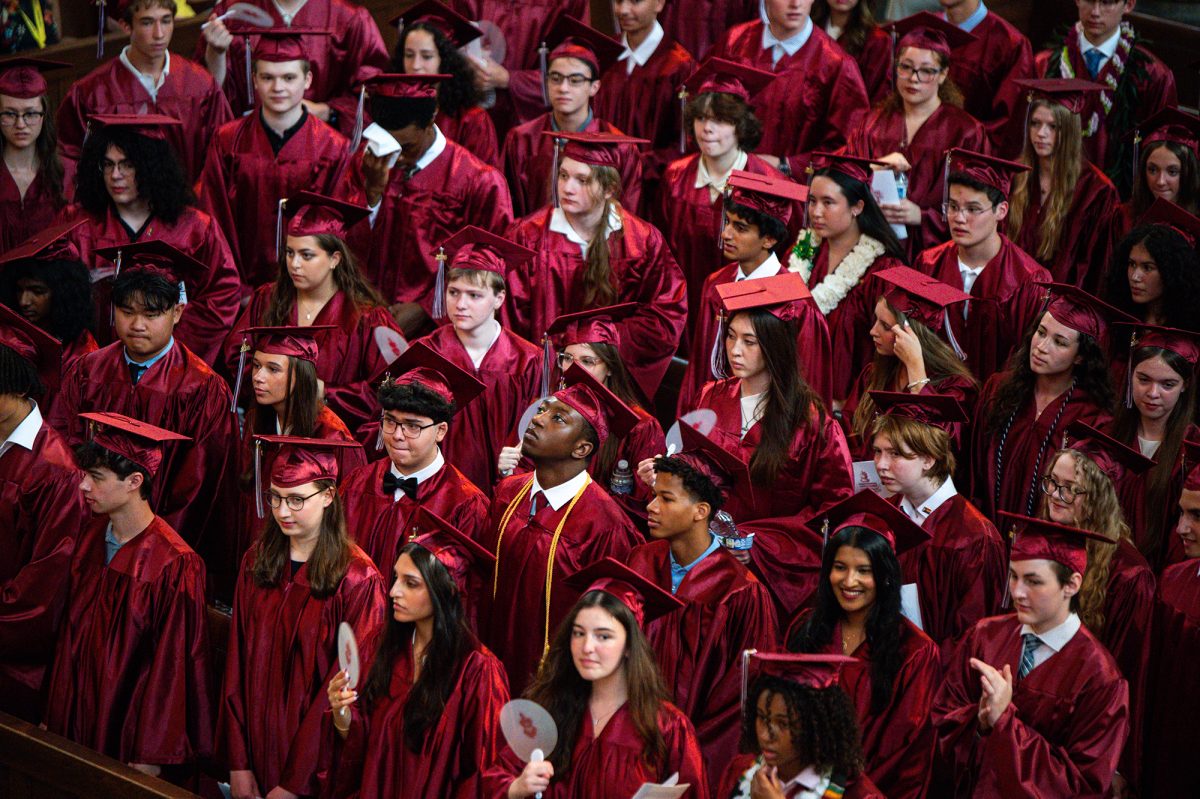
















Over 55 years ago, U-High students, faculty and administrators came together to come up with a way to turn the end of the senior year, traditionally a slump, into a time with new educational value.
When May Project was first started in 1969, it consisted of three options: a job in or out of school, an independent research project, or not participating. Only two-thirds of the Senior Class chose to participate in projects.
Since then May Project has become a staple of the Lab experience and has grown dramatically. Not only in terms of its sheer scale, but also in terms of the many purposes it serves for participating seniors.
From 2000 to 2010, May Project experienced a lot of changes. Some examples include the transition from a hard-to-organize paper system to several streamlined electronic systems, and the relocation of May Project presentations to Upper Kovler as the number of seniors increased.
While a change in the scale of presentation might seem more obvious, the more significant change in scale since May Project’s inception comes from the change in projects themselves.
Students are now allowed more intellectual freedoms as projects are no longer restricted to internships and university positions.
Laura Doto, the current May Project coordinator, believes May Project is meant to serve as a culmination of a student’s high school experiences in and out of the classroom.
“The point of May Project is really to provide a capstone opportunity for our seniors to take anything and everything they’ve experienced over their four years of high school and put them into a passion project,” Ms. Doto said. “Individually, if students have found something that is their passion at Lab, they will pursue it, whereas other students will decide that ‘I’ve never had time to X, so now I’m going to do it,’ and it can really go either way.”
Frances Spaltro, coordinator from 2004 to 2013, believes that, more than just a culmination of high school experience, May Project is also meant to give students the opportunity to guide themselves through the research process.
“I think in the end, the point is to give students an opportunity to do something that they have an interest in, a passion for, and to practice the skills of designing a project, seeing it through to the end, and then evaluating whether it worked,” Dr. Spaltro said.
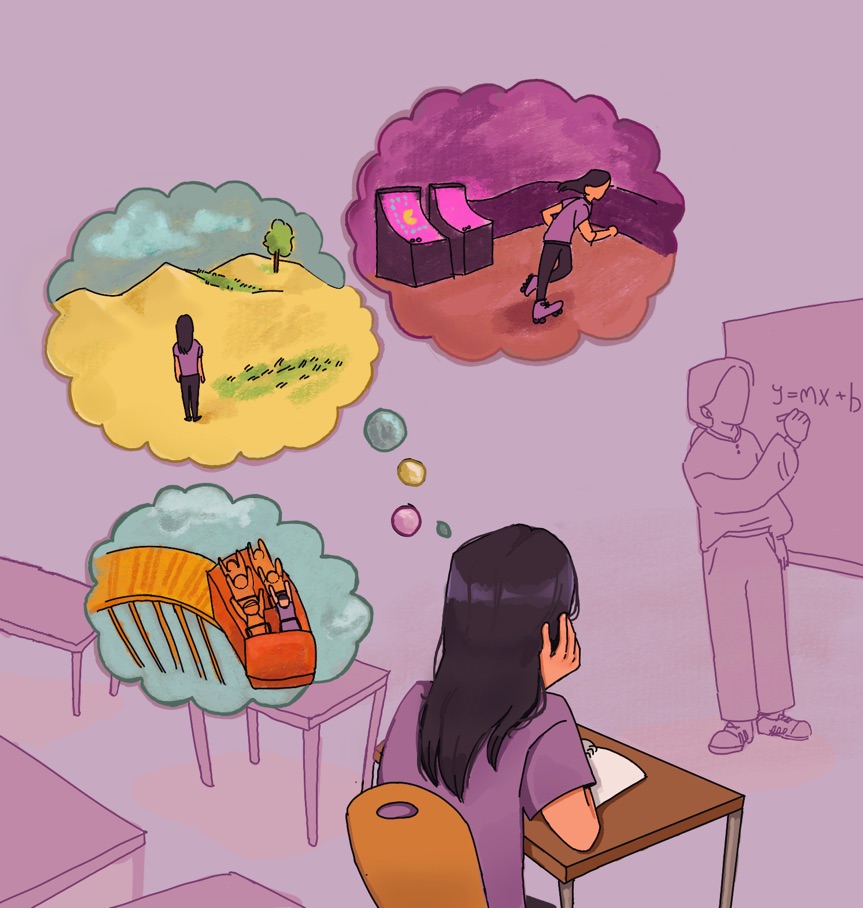
Dina D’Antoni, coordinator from 2013-2018, believes May Project is an opportunity for students to follow their passions or try something new before they have to put all their time and effort into college and work.
“For some years, you won’t have time, this is your sort of window,” Dr. D’Antoni said, “because soon you’ll go to college, and once you get out of college, you have to worry about work and you get stuck on a sort of treadmill.”
While they may have different perspectives on the project’s purpose, each coordinator had the same thing to say about how May Project has changed since they were coordinating: Aside from its scale, it hasn’t.
Going forward, Ms. Doto only hopes to further the purpose of the May Project by providing guidelines to make every May Project more impactful, regardless of its subject matter.
“I have been working, my three years so far, to really push students toward more scholarly pursuits. That doesn’t mean discounting their passion, though. You can take a scholarly approach to learning about Ghanaian cuisine, for example. There’s a research element, there’s a tasting element, there’s an evaluation element, that sort of scholarly approach doesn’t necessarily squelch creativity or passion,” Ms. Doto said. “But what it does is allow for a more capstone opportunity that lets you use the skill and experiences you’ve had at Lab into your passion. That’s my goal: it’s to get it more scholarly without diminishing the creativity.”
