
















“Straight trippin’” “Alright, party people!” “Josk.”
These are the kinds of lines you’ll hear, and even see, on an online bingo board in Shauna Anderson’s math classroom, where a small, student-created idea has become part of the class’s daily experience.
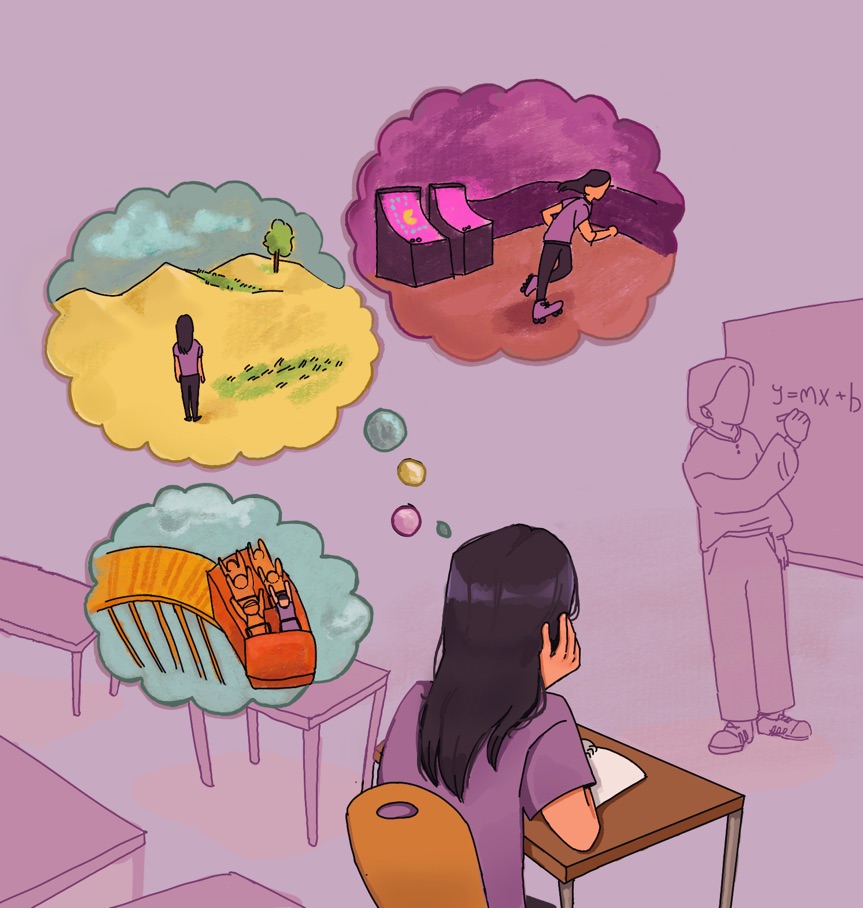
What started as a simple bingo board game built from Ms. Anderson’s classroom phrases evolved into a game that sharpened student attention, increased engagement and ultimately strengthened the sense of community within this third period.
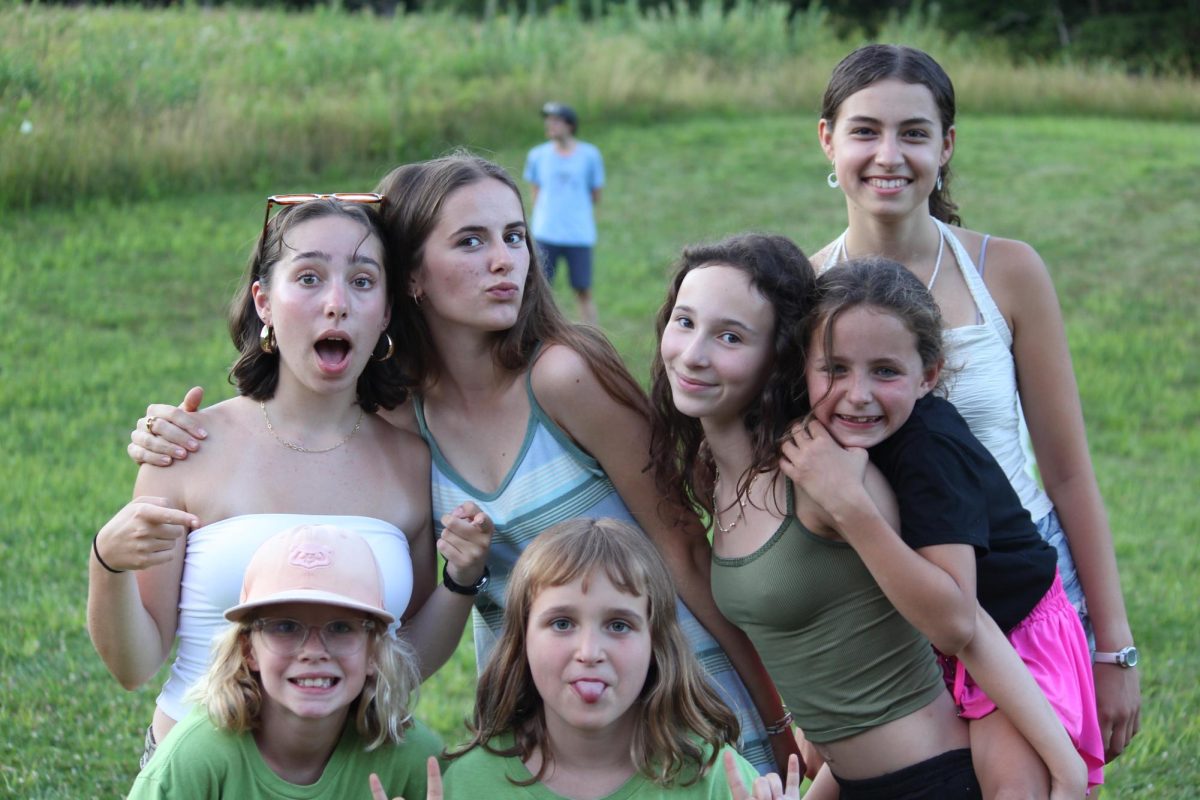
The idea didn’t start as something the whole class would eventually take part in. In fact, it began quietly between three ninth grade students, Sofia Concepcion Salvo, Alina Sait and Leilani Sally, who first thought of making a bingo board after seeing a similar idea online.
“I was scrolling on TikTok, and then I saw a video of somebody else making a bingo for their teacher with quotes,” Leilani said. “And then I sent it to our group chat and was like, ‘We should make this.’”
At first, the plan was to use it for a different class, but they quickly realized Ms. Anderson’s teaching style made her a better fit.
“We thought it would be more fun for a math teacher because she has more iconic quotes,” Leilani said.
Alina created the first board by hand, organizing phrases and even color-coding it, while the others followed and made their own versions. The game stayed between the three of them, playing it quietly during class since they weren’t sure how Ms. Anderson would react.
But the process of making the boards by hand quickly became difficult to maintain, as creating new boards each time was time consuming.
“It was really hard to make a new one every single day,” Leilani said. “That’s why we only got to do it like twice.”
Eventually, the idea faded, at least temporarily.
Months later, without knowing about the ninth graders’ boards, junior Josiah Sklarsky had the same idea and took it a step further. After sharing with the class and discovering that some people had already made one, he created an online version of the bingo board and shared it with the class. Unlike the hand-drawn versions, the website allowed the digital board to reset daily and shuffle phrases automatically.
“He was like, ‘I’m going to send this out to the whole class so we can do it,’” Leilani recalled.
What was once a small, hidden game became something almost everyone participated in occasionally or every day. Some students even became competitive, especially with a $25 prize promised by Josiah to whoever earned the most bingos by the end of the year.
Eventually, the game began to change how students interacted in class.
“People definitely pay more attention because they’re trying to win,” Sofia explained.
Leilani pointed out that it also made the class feel more connected.
“It kind of brought our class more together,” she said. “We’re able to talk to each other more, and it’s just a fun way to engage.”
Even Ms. Anderson herself embraced the idea.
When she first found out, after a student excitedly called out “bingo” during class, she laughed along with the class and appreciated the creativity behind it.
In the end, this bingo board turned an ordinary class into something students actually looked forward to.

