






















Hell’s Kitchen — not Gordon Ramsay’s cooking show, but the Manhattan neighborhood sandwiched between 34th and 59th Streets and 8th Avenue and the Hudson River — used to be notorious for gangs, poverty and crumbling tenements. In a certain sense, it still is — but nowadays, it’s gentrified enough to have theaters, restaurants and the kind of New York buzz that moves tourists to tears.
And now, “Hell’s Kitchen” isn’t just a place but a musical. Built with the music and lyrics of pop star Alicia Keys and a “semi-autobiographical” plot about her upbringing in 1990s Manhattan, the musical has been on Broadway since opening on Oct. 24, 2023, and its national tour will be in Chicago at the Nederlander Theatre Nov. 11-30.
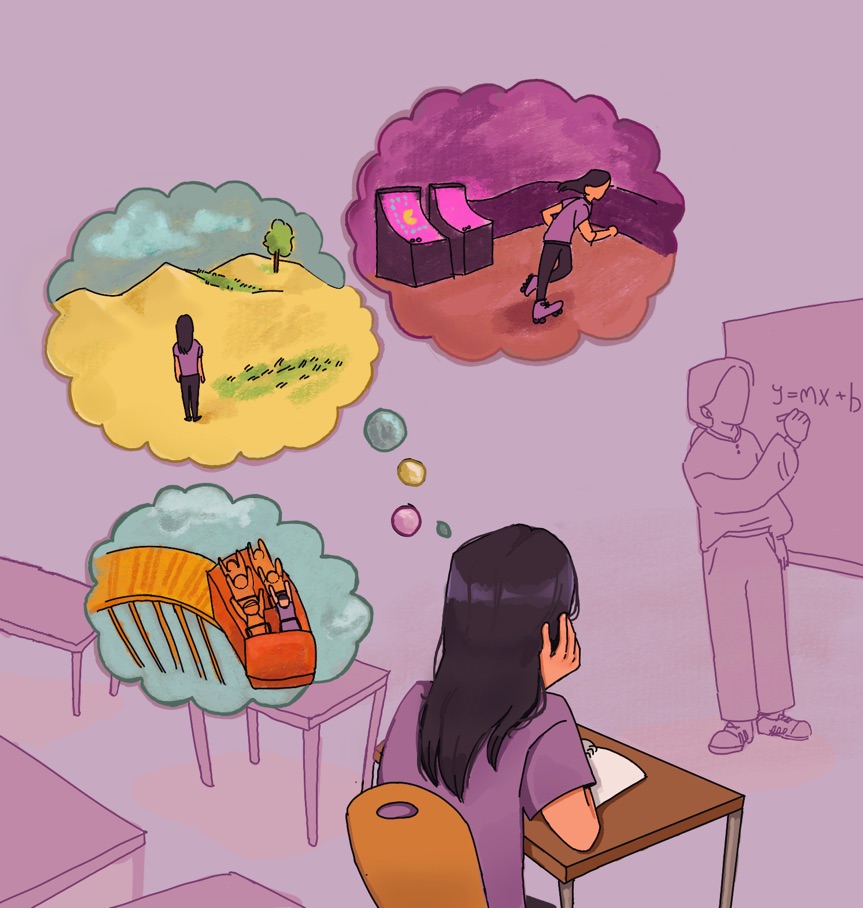
The play’s light-fare storyline follows 17-year-old Ali, a spunky (or slightly grating — you decide) young girl growing up in Hell’s Kitchen with her mother, Jersey, with whom she has a standardly tumultuous relationship. Being 17, Ali is interested in virtually two things: boys and some abstract concept of freedom that’s never truly defined.
The play routinely returns to a metaphor of Ali as Rapunzel, trapped in a stone tower by the malevolent presence that is her mother. The comparison is amusing at times but breaks down quickly when you remember that the worst thing Jersey has done is ask Ali not to sleep with Knuck, a bucket drummer who busks outside of their apartment building and is implied to be too-many-years older than Ali. It seems like a reasonable request but one that Ali responds to with tantrums and the classic “You never let me do anything” tirade. It’s an entertaining and perhaps somewhat relatable arc for a teenage audience but begs that you look no further, lest you see some of the holes in the narrative and clichés in the writing.
While the plot might lean heavily on familiar coming-of-age tropes, the ending manages to land on a slightly more genuine note. Ali begins to see her mother not as a villain but as a person who has been fighting her own battles to keep them both safe, and the two women reconnect at the expense of Ali’s flaky and largely absent father Davis. It finally gives the audience a glimpse of the play’s emotional core — and telling young girls to stay close with their mothers is an endlessly worthwhile message.
If nothing else, “Hell’s Kitchen” is a chance to hear Keys’ songs reimagined in a Broadway setting and to watch an accessible story about growing up in New York. The sheer liveliness of the production makes it a fun night out, especially if you’re around Ali’s age — and teenagers might roll their eyes at some of the clichés (and maybe even at Ali herself), but they’ll likely see bits of their own coming-of-age reflected onstage.
