
















Protests have surged in the United States, according to The Guardian, with over 10,700 protests in 2025, a 133% increase since 2017, showing that public protest has become a central way people respond to political and social issues.
This rise is reflected in recent events, according to The Hill, such as the Feb. 5 arrest of 12 Columbia University professors and students during a peaceful anti-ICE protest that blocked traffic outside campus, even after protesters stated they were demonstrating nonviolently.
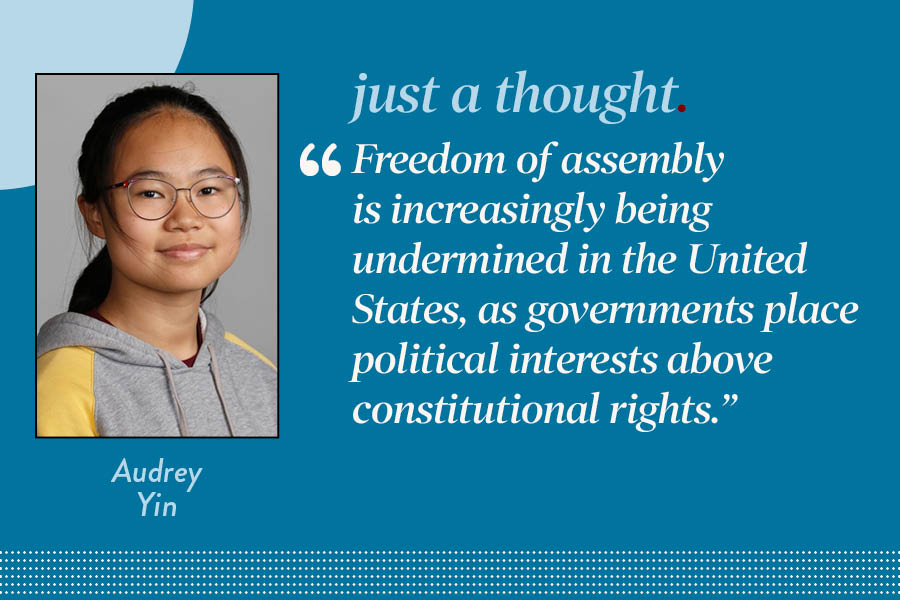
Freedom of assembly is increasingly being undermined in the United States, as governments place political interests above constitutional rights and arrest peaceful protestors who are simply exercising their First Amendment freedoms.
It is true, of course, that law enforcement argues intervention is necessary to maintain public order and prevent protests from turning violent, but the Columbia demonstration resulted in arrests despite a lack of violence, weapons or any credible threat to public safety, suggesting enforcement targeted expression rather than safety.
Civil rights groups have repeatedly documented peaceful protesters being detained for actions like standing in streets or refusing to disperse, both of which occurred at the Columbia protest and are historically protected forms of assembly.
When local police and federal authorities enforce the law based on political context rather than conduct, constitutional rights become selective instead of universal. To preserve freedom of assembly, federal agencies and local police must protect peaceful protest regardless of political message, and citizens must hold institutions accountable when constitutional rights are violated.
