

















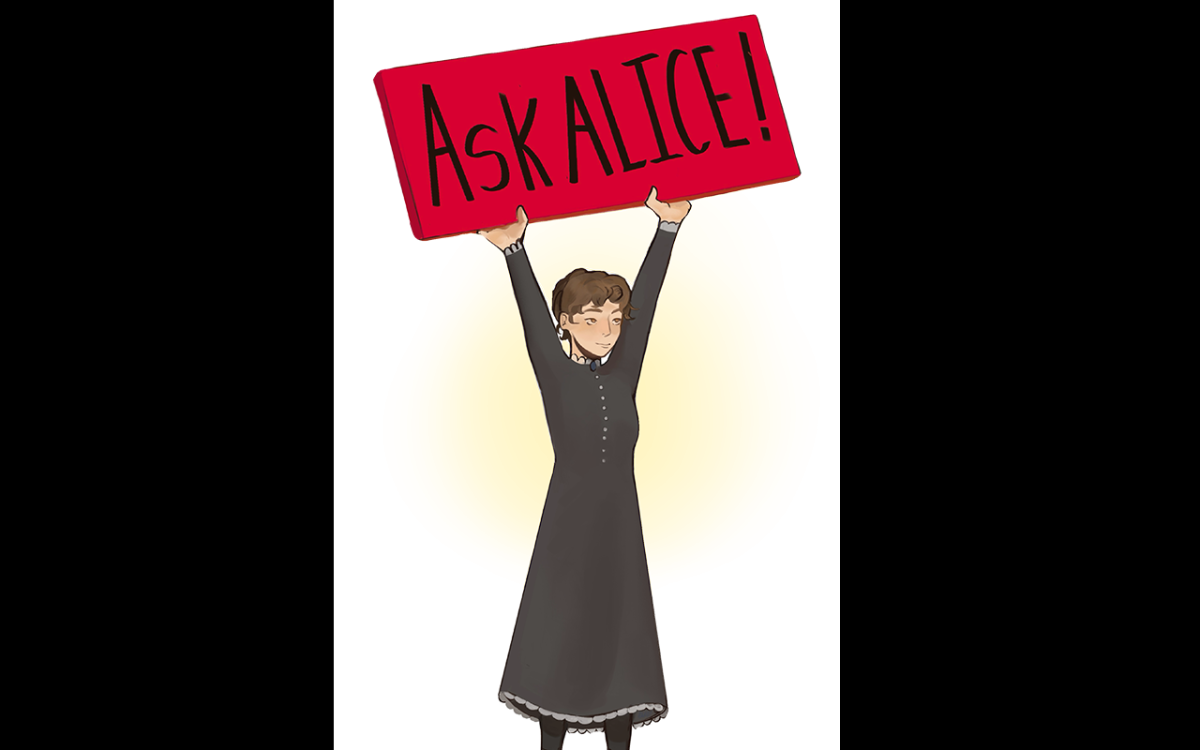
Alice Chipman Dewey was an American educator, feminist and social reformer. She was married to Laboratory Schools founder John Dewey and acted as principal of Lab for several years until 1904. Both she and her husband were essential to the development of progressive education. “Dear Alice” is named for Ms. Dewey and intended to memorialize her life, work and courage. The U-High Midway asked students to submit questions anonymously through a Google Form posted online.
Dear Alice,
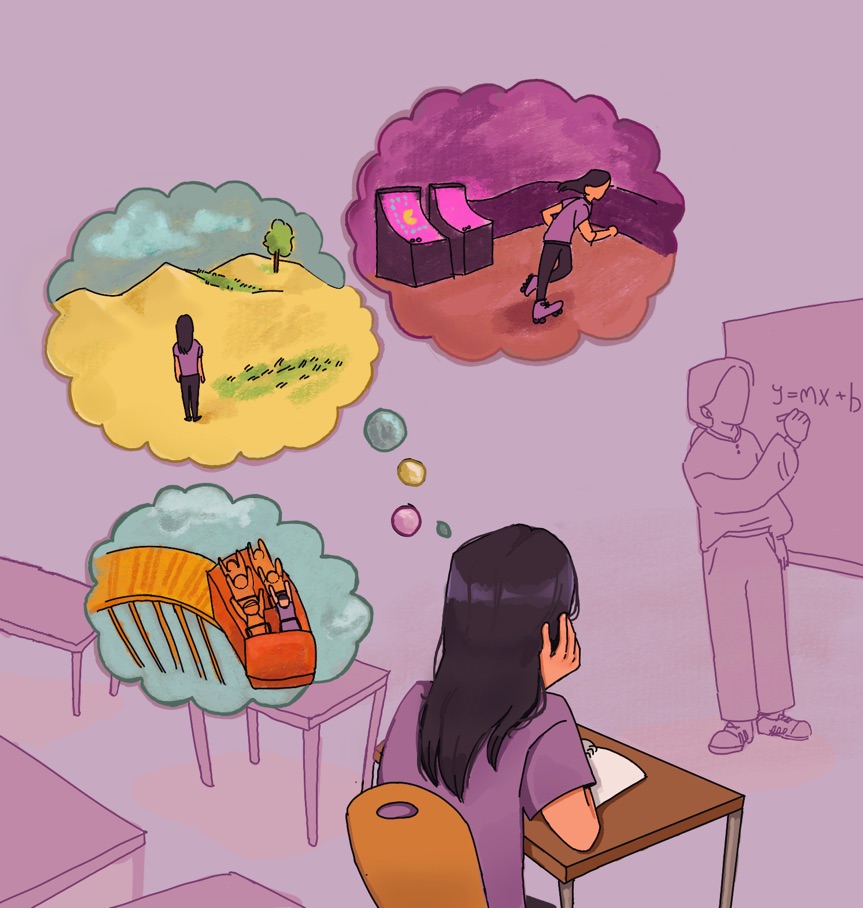
What should we be spending our summers doing, especially in terms of building up to college applications? How important is it to do a summer program vs. internship vs. job vs. community service vs. nothing?
Dear student,
It can feel overwhelming, especially at a high-performing high school like U-High, to take on the responsibility of building your resume and having productive summers without destroying any chance of relaxation or fun during your free time. The truth is, there isn’t one “right” way to spend your summer, and colleges aren’t ranking experiences like a checklist. What matters is that you’re doing something intentional. A job, for example, shows responsibility. Internships show initiative. Programs (of many kinds!) show academic passion. Community service shows engagement and generosity. But none is automatically better than the others! In an episode of the IvyWise podcast “Just Admit It,” college admissions counselor Tasha says, “hopefully, an activity like a summer program or a new initiative could… be an additional kind of enriching experience as part of your high school career rather than, like, an additional chore or something else that you have to do.”
Sources: The College Planning Center, IvyWise
Dear Alice,
How do you manage your time wisely?
Dear student,
Managing your time in a way that works for you is never about becoming one of those hyperproductive influencers who wake up (or pretend to wake up) at 5 a.m. It’s more about being honest with yourself about your priorities, as well as how you’re actually spending your time — maybe through a digital time log like ClickUp.com, or with a physical notebook! The Moleskine Classic Pocket Planner is lovely and convenient and my personal favorite. If you know you’re going to procrastinate, you can plan around that instead of pretending you won’t. Break things into smaller tasks so they feel doable, and don’t overschedule yourself to the point where you burn out (sometimes that means delegating work to others, or asking for help). And always remember that taking care of yourself, body and mind, is your first priority. Make sure you set aside time in your schedule to stay calm and clean. Maybe invest in a nice bathrobe to wear during those moments — I’ve found that it tricks my brain into letting me relax without feeling guilty.
Source: University of Georgia
Dear Alice,
How much should I prioritize objectivity as a foundation for learning and decision-making? How important is objectivity anyways; is it even real?
Dear student,
Objectivity matters, yes, but not in the way people often think. Pure objectivity (the kind imagined in philosophy debates, perhaps, or often expected from journalists) is probably unattainable, for everyone brings assumptions and experiences into how they interpret information. That’s just the way humans work. The concept of objectivity can be useful, though, if it pushes you to question your biases, seek multiple perspectives and base decisions on evidence. In the language of Thomas Nagel’s theory of objectivity, “a fact is objective just in case it’s understandable from any point of view.” Try thinking of it less as a destination than as a discipline. You don’t need to be perfectly objective to make good choices, because that isn’t possible. You simply need to be aware of where you might not be. “Objectivity,” writes John Warner for Inside Higher Ed, “is in the eye of the beholder.”
Sources: Inside Higher Ed; Objective Phenomenology, Andrew Y. Lee
Dear Alice,
What are some approachable ways to integrate academics into daily life outside of school? As in, good places to start reading about STEM or history or philosophy, so that it’s not overwhelming to look into as a hobby?
Dear student,
Getting into academics outside of school often works best when it feels like satiating curiosity as opposed to toiling over needless homework. Start small and specific: instead of googling “philosophy,” an intimidatingly broad starting term, try a short, approachable text like “Sophie’s World” by Jostein Gaarder, or perhaps a podcast like “Philosophize This!” As for history, narrative books or a video series like “Crash Course” can make it much easier to stay engaged. And if STEM is your thing, something along the lines of Stephen Hawking’s “A Brief History of Time” can spark interest without overwhelm.
Source: Amazon
