







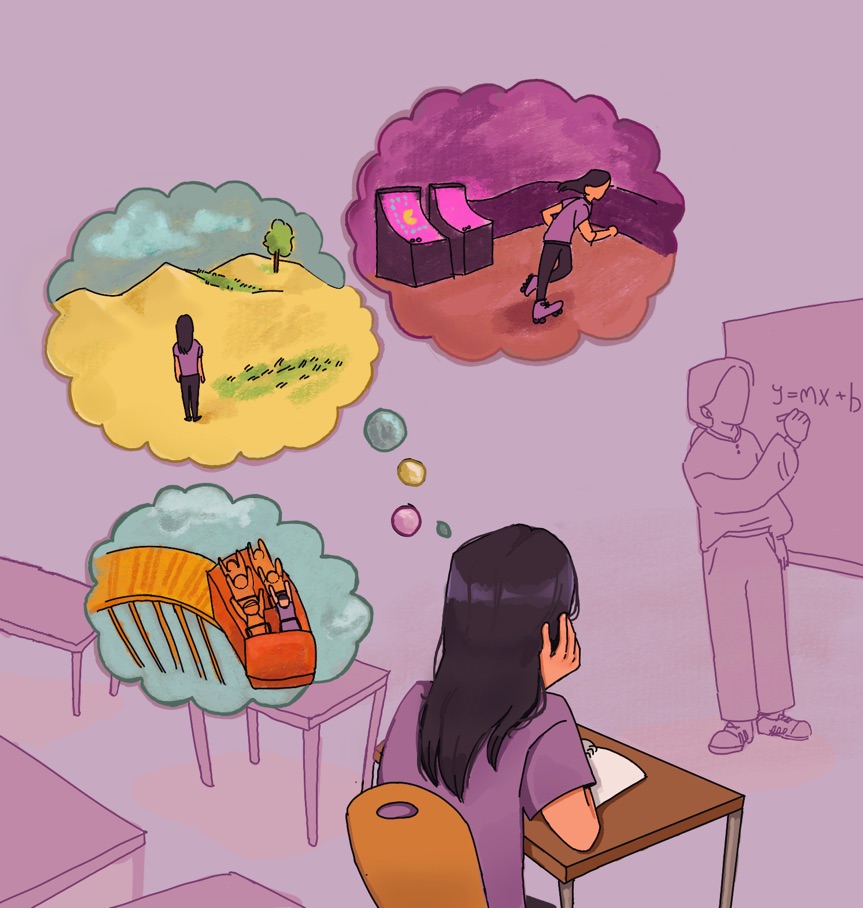













If you peeked quickly into Zilkia Rivera-Vazquez’s AT Native American History class on any Friday, you might think you see something incredibly ordinary: a group of students scratching away in their notebooks as a song sung in Spanish accompanies the activity.
But this isn’t just another quiet reflection or goal-setting activity: it’s gratitude journaling.
Every Friday, Ms. Rivera-Vazquez sets aside time for students to journal about what they’re grateful for — a practice that, while simple, has scientific backing.
When people practice gratitude, brain circuits associated with connection are strengthened. Having strong positive circuits makes human brains less susceptible to being thrown off by negativity.
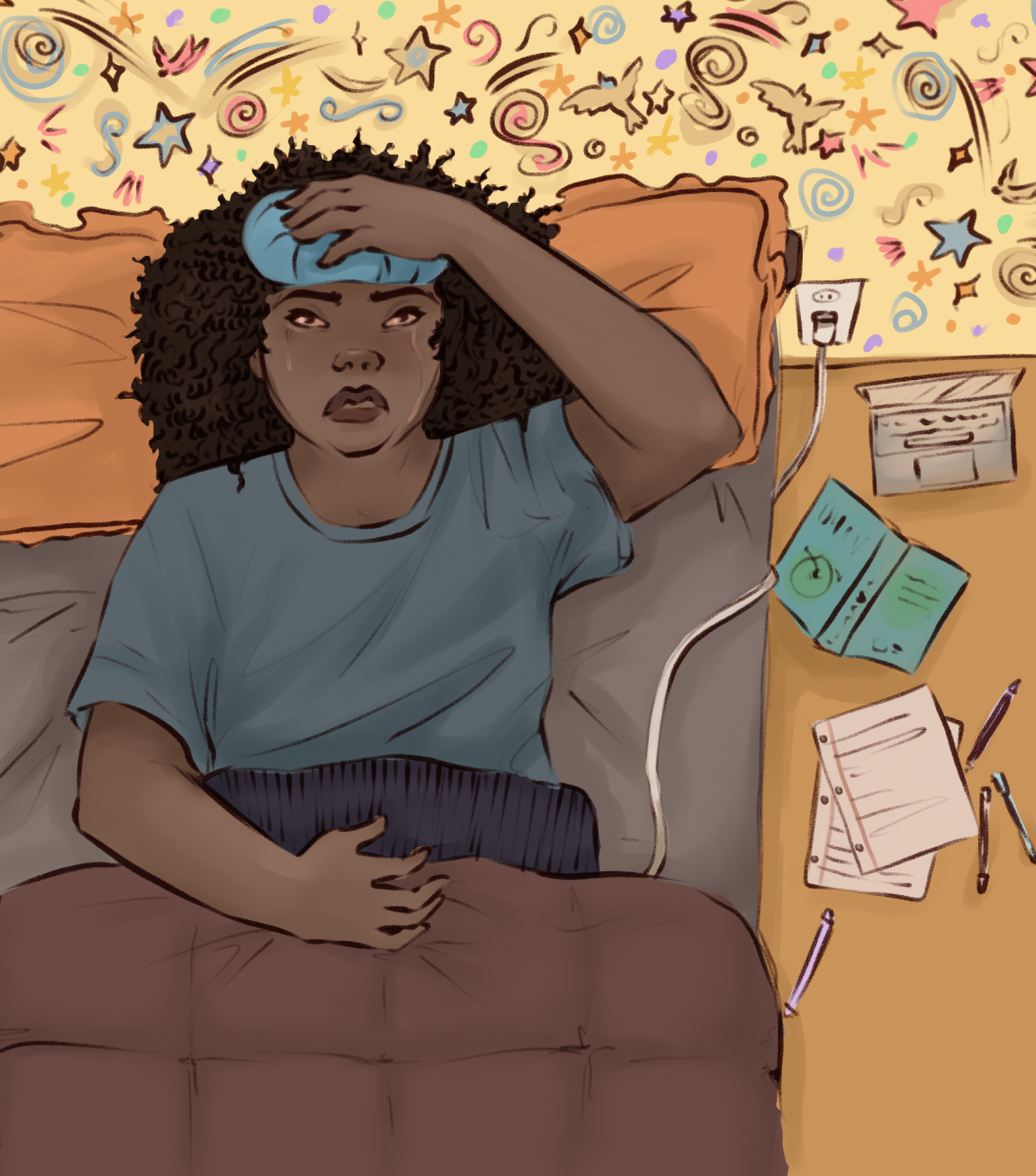
“It’s not that you’ll never be stressed or anxious or depressed, but that you’ll be more resilient to your daily ups and downs in that sense because those parts of your brain are stronger,” neuroscience teacher Sharon Housinger said.
In an article published in Scientific Reports, a peer-reviewed scientific journal, researchers monitored heart rate, communication between different regions of the brain, and levels of motivation to conclude that gratitude meditation can improve emotional regulation. This suggests that gratitude-related strategies can enhance mental well-being.
Ms. Rivera-Vazquez chooses to have her students journal in her AT Native American History class partially because it is a way students can connect with indigenous values. The value of gratitude is important to many Native American tribes.
“That also fits with the theme of the class, and instead of just having a specific lesson about it, and how they demonstrated gratitude in indigenous communities, we lead by example, and we do it once per week,” Ms. Rivera-Vazquez said.
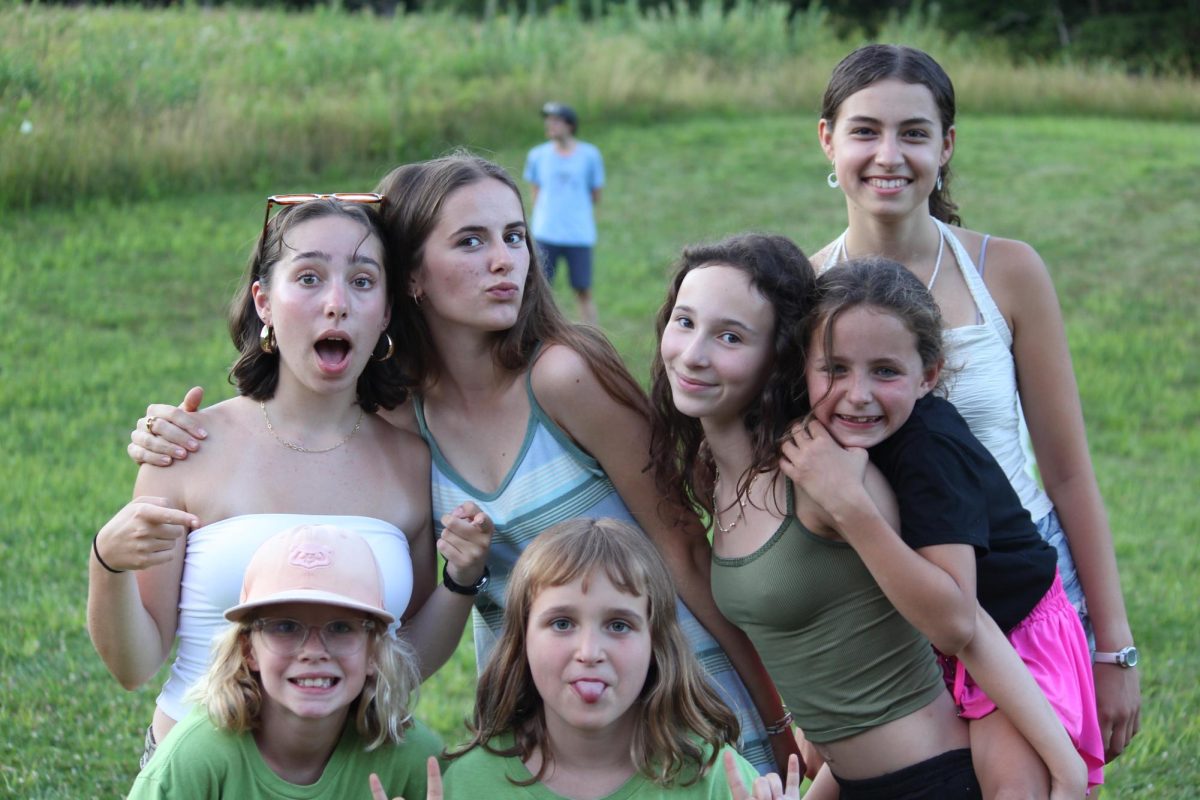
Along with being an important value of many Native American tribes, building community also serves as an evolutionary explanation for gratitude creating positive brain circuits. People who have positive feelings toward the people around them were more likely to stay together, and therefore stay safe, Ms. Housinger said.
The practice of gratitude doesn’t need to be complicated. It can look like students scribbling a few sentences in a journal or just being grateful for a beautiful sunset in the mornings.
“We don’t have to overthink it. We don’t have to go anywhere to do it. We don’t even have to ask anyone else, but it just helps us realize what is around us,” Ms. Rivera-Vazquez said.
Even seemingly ingenuine or superficial gratitude practices still work to build positive brain circuits.
“If you’re feeling really crummy, you might say, ‘Oh, I’m really grateful for my family’ but not really think it,” Ms. Housinger said. “But actually saying it out loud or writing it down activates the circuits anyway, even if you don’t feel it.”
Taking a few minutes, or even seconds, to be thankful isn’t just a feel-good activity or one specialized to the holiday seasons. It’s a way to train your brain to be more resilient and positive, and can have a lasting impact, even on a regular Friday.