
















At U-High, the approach to substance education is always shifting. With the popularization of vaping, counselors began to spend their time on electronic cigarettes rather than tobacco ones. When marijuana was legalized, vocabulary had to shift. This year, more focus has been placed on hookup culture.
Those changes are often a product of feedback from students, specifically the dialogue between peer leaders and counselors. Katie Clendenning, who facilitates the peer leading program with Meghan Janda, emphasized that peer leaders are integral for understanding and addressing relevant issues.
“From my perspective, working with the peer leaders, that to me is the thing that helps make sure it resonates,” Ms. Clendenning said.
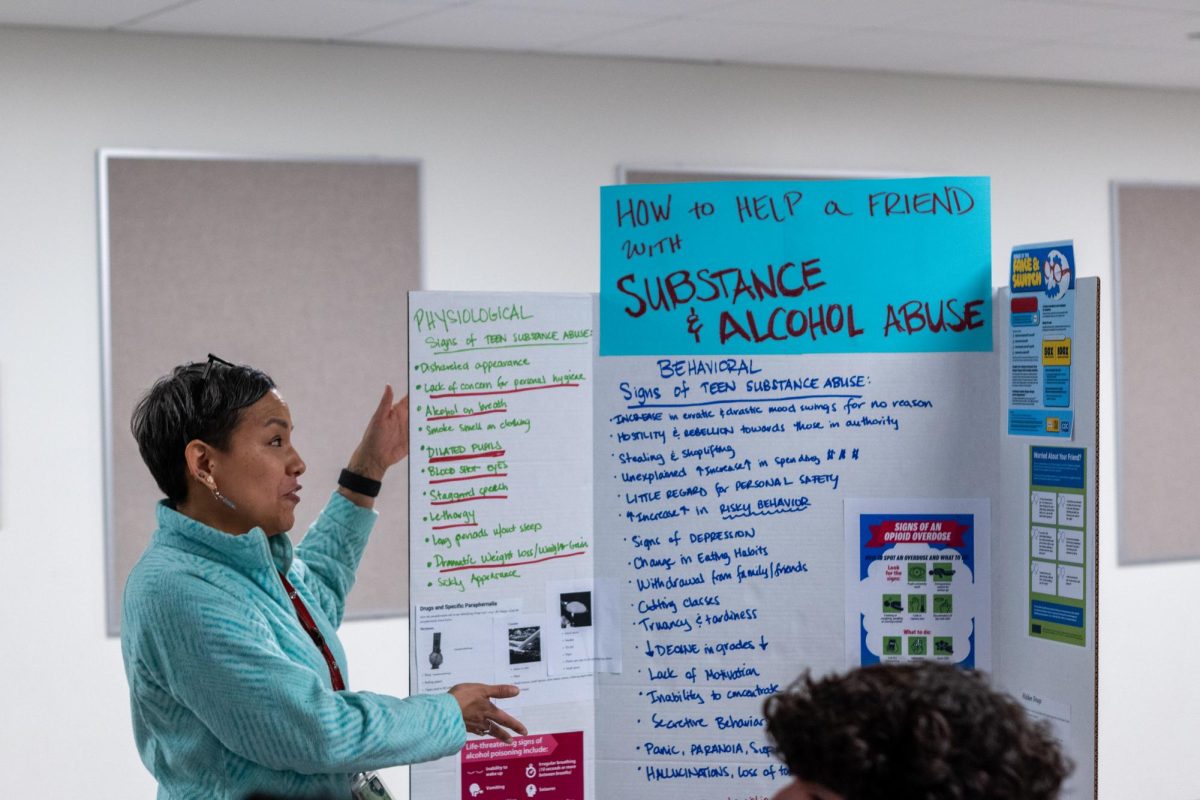
Peer leaders and counselors each tackle an aspect of substance education for ninth and tenth graders. The peer leaders coordinate educational, scenario-based programming, such as the How to Help a Friend assembly for sophomores. Counselors organize guest-speakers with personal experiences concerning the danger of substances.
Both groups are continually in contact, as counselors give peer leaders the social-emotional tools to communicate with students, and peer leaders provide feedback on the importance of certain issues, such as vaping. Senior peer leader Hayla Shah said this dialogue informs her approach to peer leading.
“The counselors also share their own experiences with kids and how they dealt with it,” she said, “which I think is just really helpful, because we can communicate that same thing to the students.”
Counselor Camille Baughn-Cunningham said that the approach to subjects like vaping or marijuana comes from listening to peer leaders’ concerns. It reassures her that students have peer leaders as a resource, in addition to trusted adults.
“We know there’s always going to be things that students hear before adults hear,” she said. “If we can put students in that role and really equip them with information, observation skills and the ability to discern, ‘When do I need to involve someone else?’ Yeah. Then we feel good.”
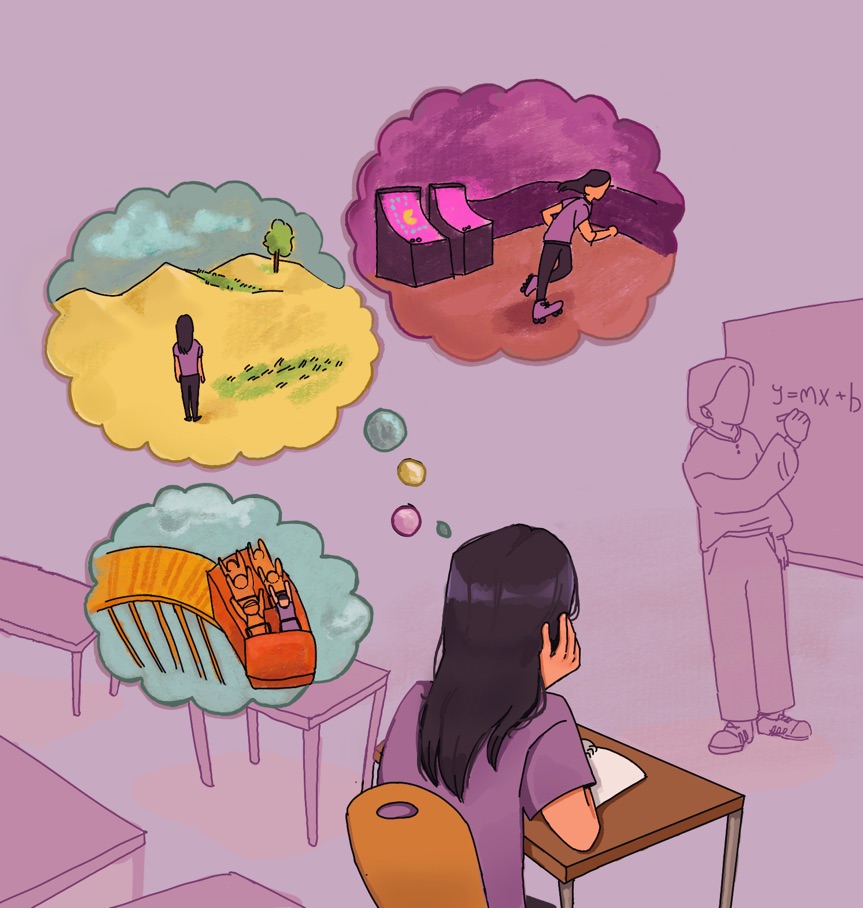
Rather than specific situations or substances, both Hayla and Dr. Baughn-Cunningham presented fear of missing out — or FOMO — as the biggest challenge high schoolers have to overcome.
“This is not about intellect,” Dr. Baughn-Cunningham said. “This is not about cognitive abilities. It’s about peer pressure and stress management and FOMO.”
However, the goal of substance education at U-High is not to simply scare students or mystify drugs and alcohol but to empower high schoolers with the appropriate tools.
“I really hope they don’t do it,” Hayla said, “but I hope that if they’re gonna do it, they remember how to do it if anything goes wrong. They know who to call. If their friend’s unwell, they know who to call. They know what to do.”