










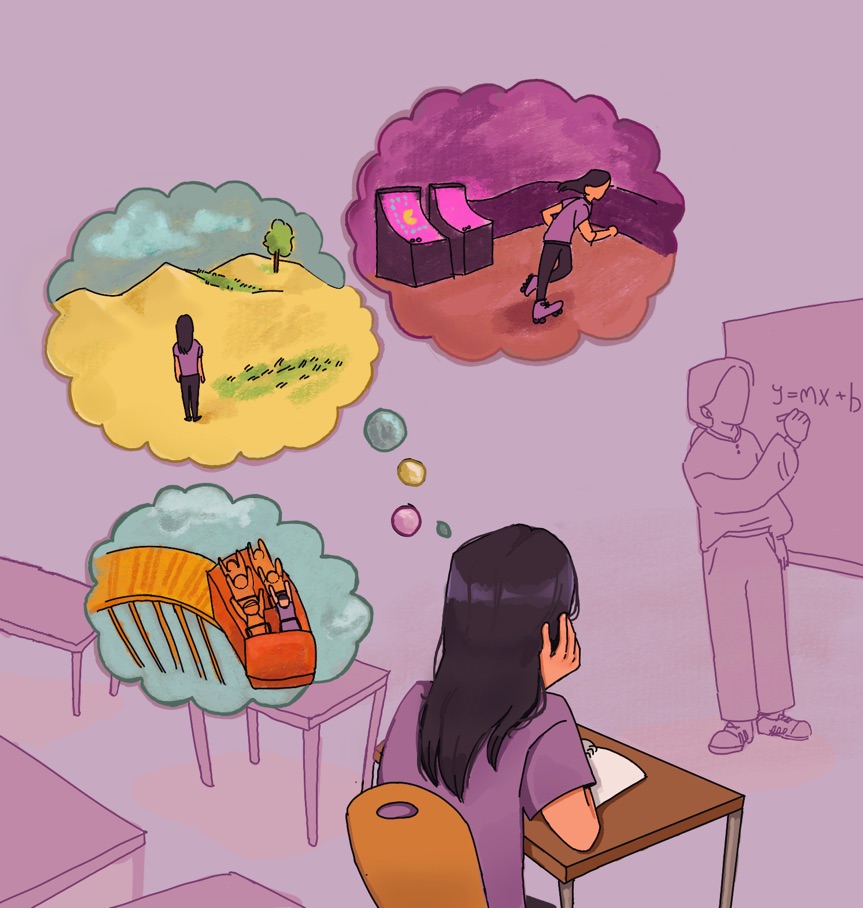









By 2025, 60% of people under 35 were drinking energy drinks daily, according to Civic Science. For youth, it’s easy to grab an energy drink, especially to stay up studying or to make it through three tests on only five hours of sleep.
Energy drinks are too widely accessible in the United States, so state or local governments should follow the example of several countries by requiring stronger warning labels and instituting age restrictions for children under 16.
The recommended amount of caffeine per day for adults is 400 milligrams, and while most energy drinks do not have this much caffeine, there are no safe limits set for children, and it’s not worth the risk of addiction and severe heart problems.
Not only are there high levels of caffeine in these drinks, but there are also stimulants that can harm the nervous system and high levels of added sugar that, especially when combined with caffeine, can lead to a crash.
Adolescent visits to the emergency room due to complications related to too much caffeine consumption have been rising according to Harvard Health, and with labels not being prominent enough, in many of these cases the children weren’t even aware of how much caffeine they were drinking.
When energy drinks are the most convenient way to make it through the day, do not let it become a habit. With these major health risks at play, the United States must regulate these drinks by restricting access to children and discouraging sales in schools to protect its youth.
