



















Editor’s note: This story contains spoilers for “The Drama.”
“Emma, true love is complicated. It’s about acceptance. Radical acceptance.”
But how much are we able to accept in the name of love?
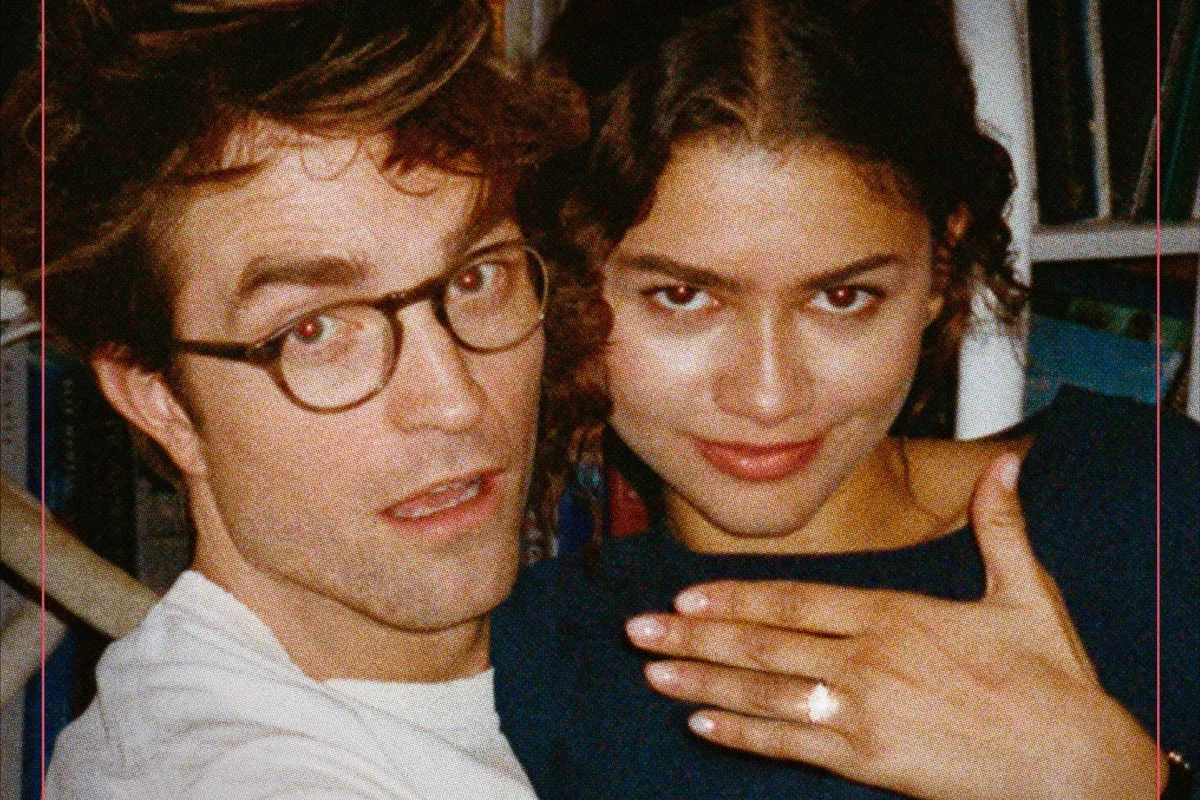
Charlie (Robert Pattinson) finds himself contending with this dilemma days before his marriage to Emma (Zendaya) in “The Drama,” which attempts to satirize the classic rom-com. A coffee shop meet-cute with a little bit of stalking. A wedding that ends in a bloody mess. However, when “The Drama” truly tries to contend with the interpersonal implications of large-scale conflict and how society has become de-sensitized to it, it falters.
Charlie and Emma are days before marriage when they go to dinner with Rachel (Alana Haim) and Mike (Mamoudou Athie) where they suggest they go around and share their darkest secrets.
It’s the classic ugly duckling turns swan romance movie. The twist? During Emma’s teenage ugly duckling days she was planning a school shooting. In the theater, this deeply serious reveal sent shockwaves through the audience and dramatically changed the tone of the movie.
It seems like director Kristoffer Borgli is attempting a commentary on gun violence, or the normalization of school shootings in American culture. Characters immediately search for a trauma in Emma’s childhood that would supposedly justify her thoughts.
The fact that the sole English character, Charlie, is meant to be the audience-insert creates a sense of emotional detachment more than anything. Despite the prevalence of this issue for American high schoolers, and the movie’s supposed commentary on that reality, it ironically further perpetuates trivialization. In the end it’s not Charlie who you feel bad for or Emma’s best friend Rachel, whose cousin was paralyzed in a school shooting, but instead Emma herself.
Charlie, so deeply disturbed by his fiancé’s actions, ends up kissing his co-worker Misha (Hailey Gates). Between the immediacy of his betrayal and the heartbreaking nature of Zendaya’s acting, Charlie’s mistake clearly seems to outweigh some decades-old hypothetical.
That part of the issue arises in the question of how hypothetical Emma’s actions were — she had the gun, she had the list, she had the plan — does little ameliorate the sense that cheating seems to be a worse crime than murder.
One could make the argument that this is exactly what Mr. Borgli was trying to explore, but that seems to ignore the great lengths the film went to justify Emma’s thoughts.
In the end, it hardly seems to matter. At its core “The Drama” feels like a dark comedy, a mockery of romance films with a tasteless method of accomplishing its takedown. The movie has excellent acting and a complex plot, but, given the gravity of its subject matter, it fails to provide any real insight into human nature.
So how much are we able to accept in the name of love? Much more than we are able to accept in the name of art.
