














At the “Beloved Community” assembly on Jan. 8, Principal Martin Woods discussed an incident of racism from October. He pointed out that real progress toward inclusivity and awareness does not happen in adult-led assemblies but through everyday student interactions.
The October incident was shocking, all the more so because of the amount of diversity and inclusion programming students experience at Lab, which suggests that there is a disconnect between the D&I education students receive and their actions.
Lab should continue to embrace what makes it special — its diverse student population — with engaging events, not with more adult-led diversity programming that often does not feel accessible to students.
Diversity and inclusion are essential perspectives that students need to become responsible and intentional adults. Structured D&I programming, such as assemblies, is essential in schools and has many benefits, particularly the ability to spread a significant amount of information to a large number of students at once.
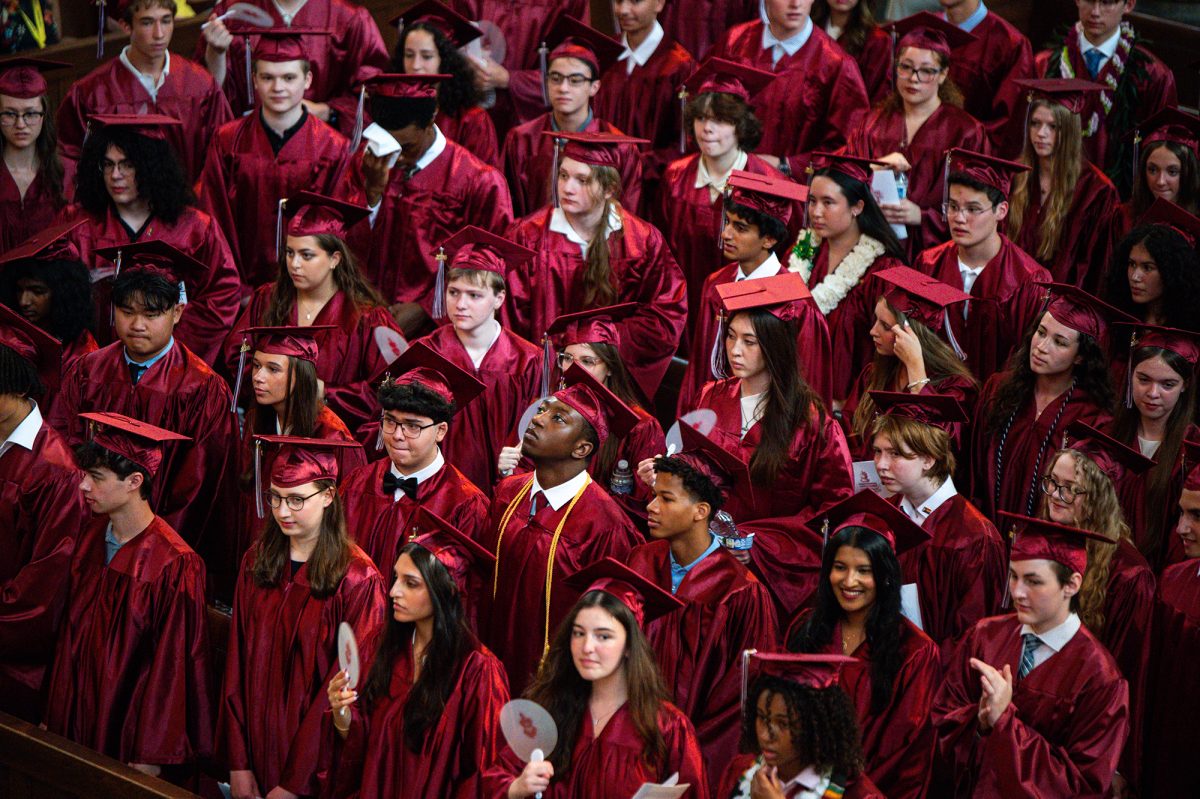
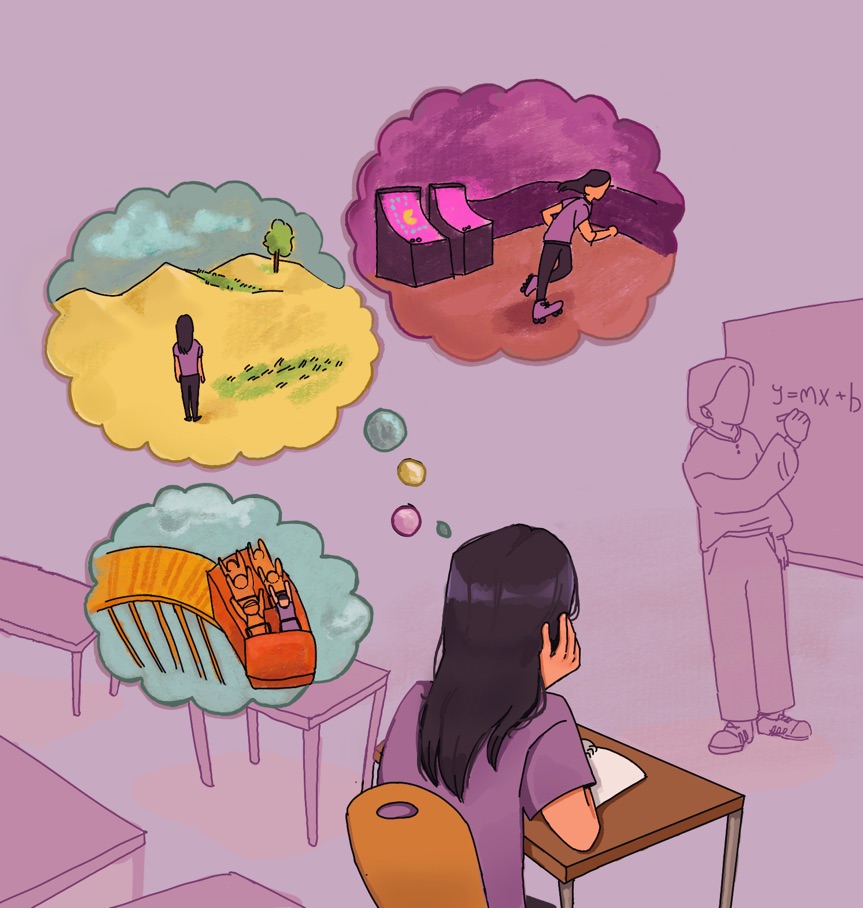
However, the change and awareness needed to build and maintain an inclusive community happen only when students are willing and curious participants. In assemblies, students tend to be worn down from long cocurricular weeks or fidgety from sitting down for too long, so the message does not always get across. Perhaps a more effective and engaging way for students to develop cultural competence would be through expanding student-to-student diversity and inclusion programs, such as International Day.
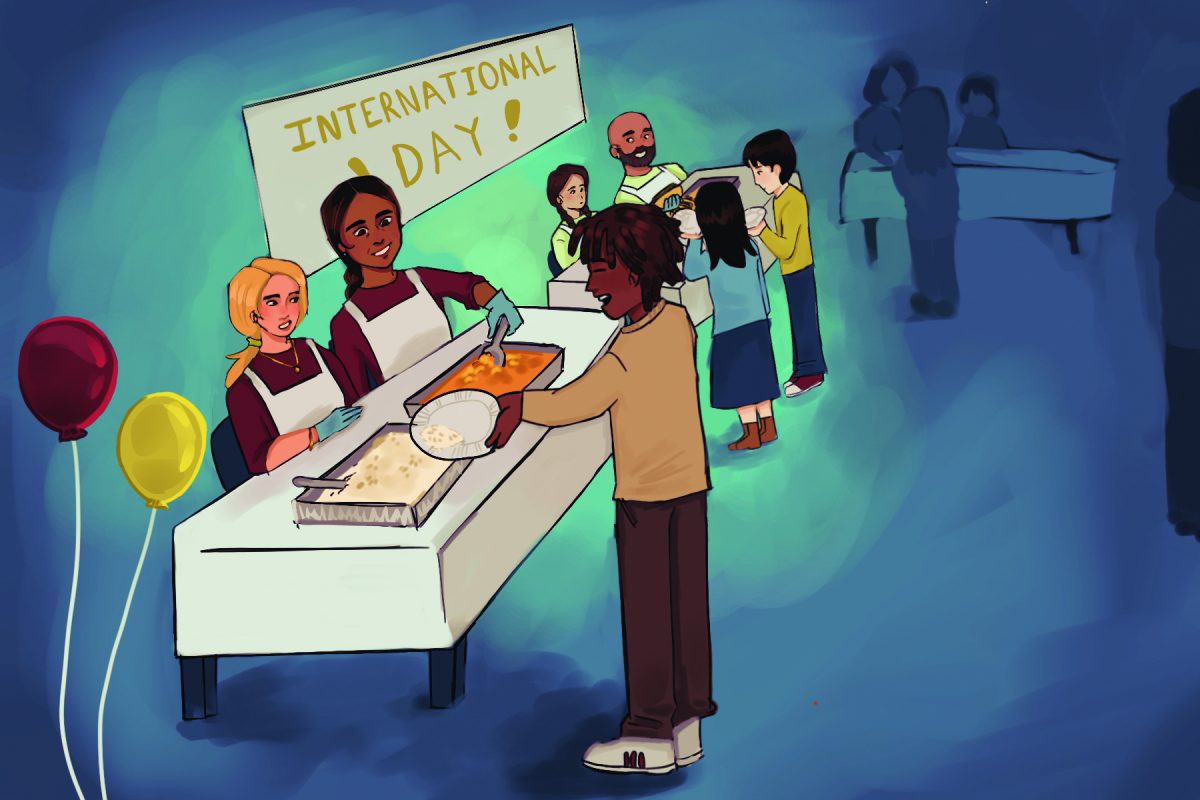
International Day — when students and parents are encouraged to bring dishes from their cultures to celebrate identities and traditions — is a perfect example of the Lab community embracing student participation to promote diversity.
Interactive events such as this promote understanding more than an assembly ever could. They are authentic, student-driven and more interactive ways of learning and sharing each other’s cultures.
Crucially, International Day, which was hosted by the Student Council on Feb. 11, centers around food, something that’s easy and fun to enjoy. This enables students to learn about cultures different from their own, not only through their taste buds but also through conversations sparked about global customs. Traditions and preparation of food vary across cultures, allowing room for teaching and learning about each other. Food acts as a cultural bridge, suggests a recent UK-based study that found that diverse palates promote tolerance.
Lab students can also experiment with different cultures and food on International Day, an embodiment of John Dewey’s education principles. Mr. Dewey, the founder of Lab, argued that student learning should be active, not passive, taking the form of hands-on projects more than lectures. A shift from assemblies to activities would embody these ideals.
By prioritizing these interactive, student-driven initiatives, Lab has the opportunity to build genuine bridges between communities and cultures at our school, and in doing so help prevent further incidents fueled by ignorance and hatred.