


















The cloud disappears quickly — it’s more closely related to steam than smoke, delicate and soft, and floats away with a breath or a breeze. What lingers is the smell.
“Watermelon Ice.” “Miami Mint.” “Killer Kustard.” The list goes on. These flavors sound more apt to be stamped across the wrapper of a Dum-Dum than a nicotine cartridge — but students and teachers alike are becoming increasingly accustomed to entering a bathroom during passing period and being greeted by the overwhelming scent of burnt candy. Why? Because vaping, also known as using electronic cigarettes, once associated with parties or weekends, has become for certain students a quiet fixture of the school day.
According to the Centers for Disease Control and Prevention, youth use vapes more than any other tobacco product in the United States. In 2024, 1.63 million (5.9%) students used e-cigarettes, including 410,000 (3.5%) middle school students and 1.21 million (7.8%) high school students.
Teenagers are often told that vaping is a safer alternative to smoking, but experts caution against that narrative; and in fact, the tempting flavors are far from incidental. Andrea King — a professor of psychiatry and behavioral neuroscience at the University of Chicago and the director of both the Courage to Quit program and the No Smoker Left Behind program — said that the candy-coded nomenclature is designed with younger users in mind.
“Those flavors are in there specifically to capture the interest of teenagers, and companies make big, high profits off the backs of younger adults getting hooked to these products,” Dr. King said.
Additionally, teens are often more inclined to participate in vaping if they feel that it makes it easier to interact with their friends or peers in certain social situations. Student A, who said they had vaped roughly every other day for around eight months, emphasized how vaping is often used as a method to connect.
“At least partly, if you’re around groups of people that do it, it’s just an easy way to kind of socialize,” Student A said.
Vaping is often framed as a way to relax or manage stress — something that commonly plagues the lives of teenagers and young adults, especially at a high-performing school like U-High. Student B, who started vaping two years ago, emphasized that vaping offers a simple solution to their anxiety.
“I started spring of my sophomore year, because I found it to be an easy stress reliever and it was convenient,” Student B said.
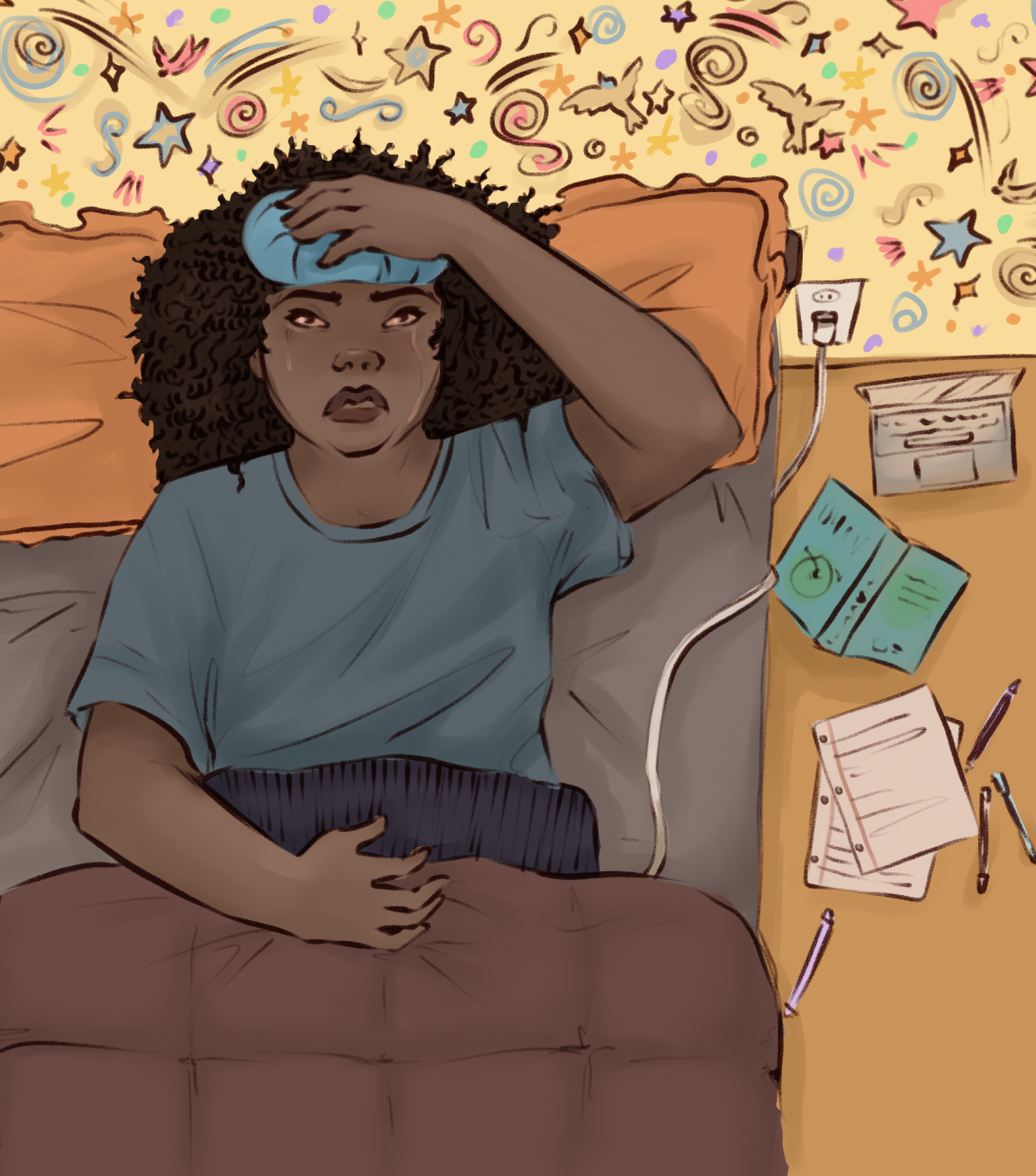
But those supposed stress-relief effects may be misleading. Dr. King said that, in fact, nicotine can actually exacerbate a person’s stress rather than alleviate it.
“The lure of the stimulating effects of vaping products is short-lived,” Dr. King said. “What will happen over time is that e-cigarette use will increase anxiety and stress levels.”
According to Dr. King, nicotine concentration plays a role as well. Given the high concentration of nicotine in vape products, addiction can occur quickly and without one fully realizing it. One way to recognize a developing dependence, Dr. King explained, is to pay attention to how the body reacts without it.
“Note how you feel if you do not vape for a period of time. If you find you have a hard time making a change, that might signal your brain is getting sensitized to nicotine,” she said.
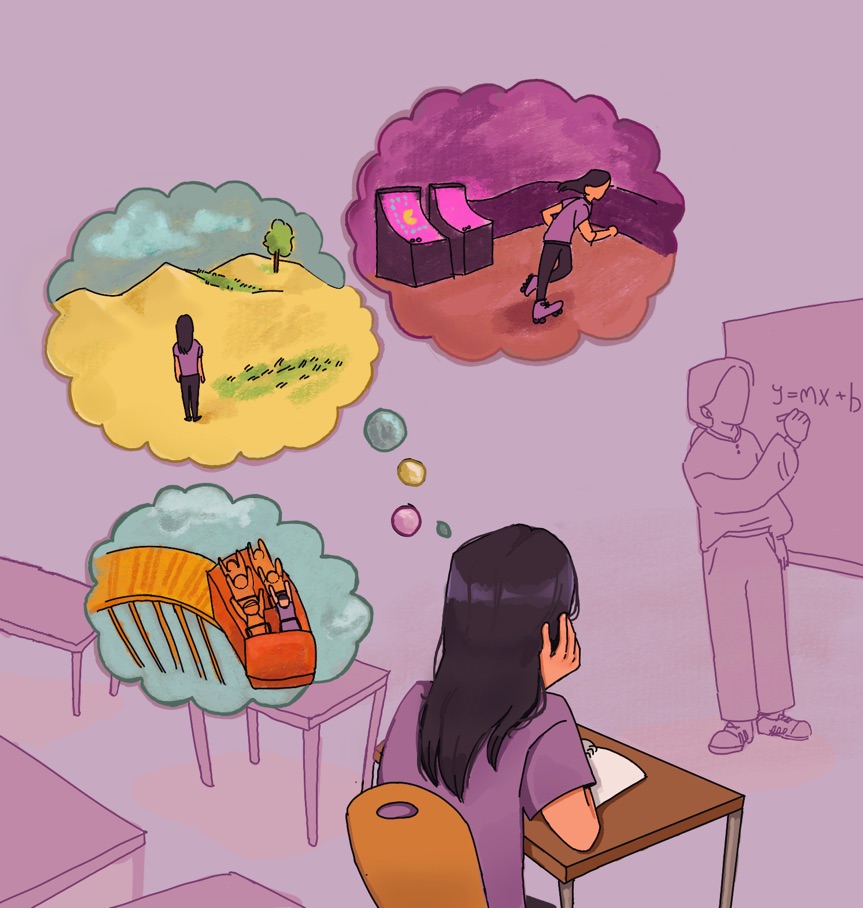
The CDC outlines that the dangers posed by nicotine are unique to youth, as their brains are still in development. More specifically, nicotine use during adolescence can damage the parts of the brain that control attention, learning, mood and impulse control.
“Companies and influencers will claim [vapes] are good for you and fill whatever need someone is looking for — compared with traditional cigarette smoking, which is one of the most toxic products sold across the globe,” Dr. King said.
Student A remains unconcerned, as they do not consider themselves to be truly “addicted.”
“I know it’s bad for you, but at the end of the day, I’m not super concerned about the health risks as long as it doesn’t get out of hand,” Student A said.
Even after the vapor has dissolved, the effects of nicotine — and its often sickly sweet smell — can persist, shaping stress, cravings and habits that may be very hard to break.
Additional reporting by Kabir Joshi