



















Charles Blackstone, Class of 1995, is the chief of staff at the New York City Mayor’s Office of Food Policy. He previously worked at the City of New York’s Department of Homeless Services. A novelist and literary writer, he is the author of “Vintage Attraction” and other works, with his writing appearing in various literary journals.
When you were at U-High, what career path did you envision for yourself, and what inspired the choice? How does your current career compare to what you once imagined, and what led to any changes in direction?
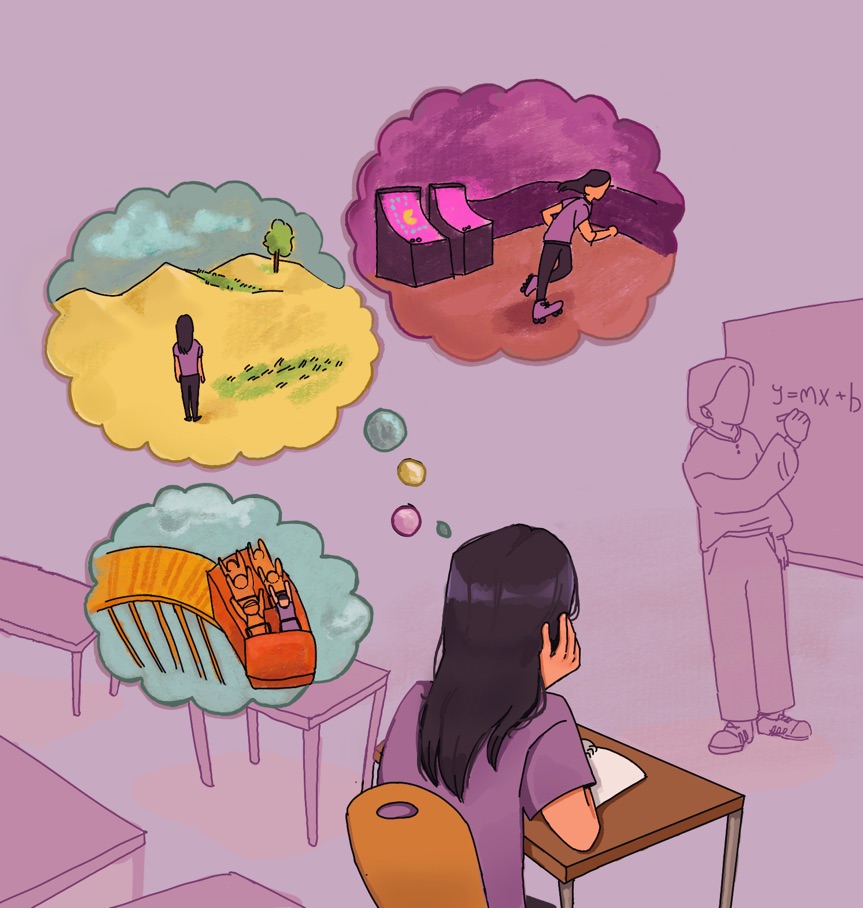
“On the PSAT, there was a question about careers with bubbles for different fields of interest, and I remember filling in ‘TV,’ ‘film,’ ‘entertainment industry.’ I had done some drama and was writing at the time. That didn’t seem like it would take me anywhere. I never had any real ability to see the future. By the time I had to make decisions, I knew I wanted to write and study English. I work for the city of New York in the Office of Food Policy. It’s been almost 10 years, and my roles have all had communications at their core. What connects these seemingly disparate roles is storytelling.”
Looking back on your time at U-High, what experience or moment had the greatest impact on shaping who you are today?
“Freshman year English was the first time I was really exposed to literature. I remember the stories vividly, both because they made an impression on me at the time and later when I put them on syllabi for courses I taught in grad school. Alice Walker, Joyce Carol Oates, and Salinger. It’s when we discovered ‘Catcher in the Rye.’ That was the first time I truly connected in a serious way to storytelling.”
What key experiences or influences guided you toward your current career path?
“I think reading more books, discovering contemporary realistic fiction, and absorbing everything while continuing to write as a teen and beyond was always my focus. At Lab and U-High, a liberal arts curriculum always made sense to me. While others felt pressure to major in something that led directly to a career, I was more focused on learning, the pursuit of knowledge and experience.”
Throughout your career, what event or experience has most challenged or reshaped your understanding of the country?
“As a younger person, I felt a personal connection to politics, paying attention long before I probably should have. A real turning point was the 1992 presidential election — I remember watching the inauguration in the library when TVs were rolled into classrooms, feeling a strong connection to the country and the world. That optimism carried me until the chaos of the 2000 election, which distanced me from that feeling. Despite the turmoil of the last election, I’ve felt a recommitment to writing. I’ve always written, but it’s never been during quiet times. It’s the chaos that compels me to work, not stillness.”
What achievement in your career are you most proud of, and why does it stand out to you?
“I think my last novel, ‘Vintage Attraction.’ I look at it sometimes and wonder: How did I pull that off? Bringing a story into the world feels big. … ‘Vintage Attraction’ is about a dissatisfied academic who, as I always say, falls glass-first into the world of food and wine when he meets a sommelier and TV personality. It’s a love story on some levels, but also a story about figuring out what you want to do, even after doing something for a long time. It’s about finding yourself and meaning in a world that’s always changing, where the objectives are constantly shifting.”
What is one goal or aspiration you still hope to accomplish?
“With writing, I’ve never been someone who’s constantly producing. When I finished the first draft of my last book, I remember thinking, ‘I don’t know what’s next.’ And for years, I really didn’t. But in the last few months, I’ve been thinking about it again, outlining ideas, which I hadn’t done before. To write another book, that would be exciting. At the same time, I hope to continue doing meaningful work for the city.”